When a Good Client Starts Paying Late
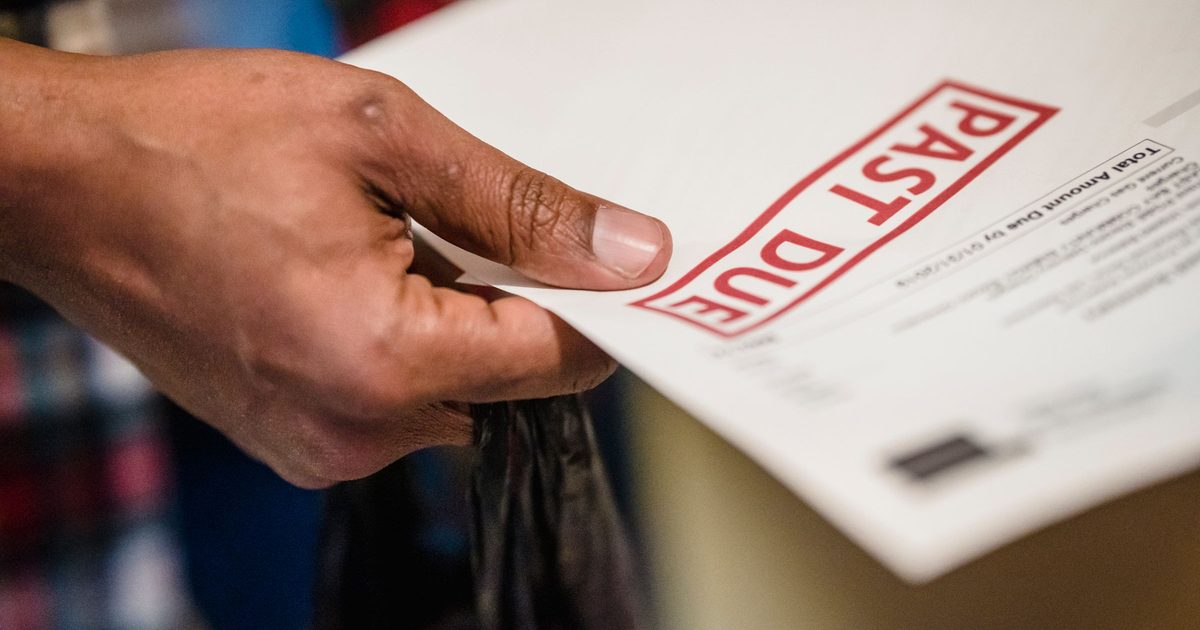
When a client who usually paid on time starts paying late, check the invoice first, then look past it. A change in payment behavior can be one of the earliest signs that something shifted on the client's side, and it often shows up weeks before they say anything about budgets, priorities or leaving.
Why does a reliable client suddenly start paying late?
Once you rule out a plain invoice problem, such as a missing purchase order number or a wrong billing address, a reliable client usually starts paying late for one of three reasons: their own cash is tight, your invoice now needs a new person's approval, or your work has slipped down their list of priorities. Each one looks the same on your side, an invoice past due, but each one calls for a different response.
Cash pressure often comes with a contact who sounds apologetic and vague about dates. A new approver usually means your contact changed roles or a new manager arrived, and the invoice is sitting in a queue with someone who does not know you. A drop in priority is the quietest, and it often comes with slower replies to everything, not just invoices.
How do you spot the change before it becomes a problem?
Track days-to-pay per client, not just the total amount overdue. An accounts receivable aging report groups unpaid invoices by how long they have been outstanding, usually in 30-day buckets. A client who moves from the current bucket into the 31 to 60 day bucket for the first time is worth a phone call, even if the amount is small.
The aging report alone hides the trend, because it only shows today. Keep a simple running list of how many days each client took to pay their last five invoices. A client who went from 20 days to 28 to 41 is showing a trend worth asking about, and the pattern is visible long before any invoice goes seriously overdue.
What should you say to a client who has started paying late?
Call your contact rather than sending another automated reminder, and ask a direct question about process, not money. Asking whether anything has changed in how invoices get approved gives the client an easy way to tell you about a new approver, a budget freeze or a reorganization without feeling accused.
Keep the first call about facts:
- Confirm the invoice was received and is with the right person.
- Ask about approval changes, such as a new manager, a new system, or a new purchase-order requirement.
- Ask when they expect it to be paid, and write down the date they give.
- Ask how the work is going, separately from the invoice.
That last question matters most. A client whose answer about the work is lukewarm is a retention problem that happens to show up in accounts receivable first.
When is late payment a sign the client is about to leave?
Late payment points toward churn when it arrives together with other quiet changes: fewer requests, slower replies, a new contact, or questions about scope and price. Any one of these can be noise. In practice, when two or three of them start in the same month, the client is often reconsidering the relationship before telling you.
This is the same pattern behind a happy customer whose usage is falling. The client has not complained, so nobody on your side raises an alarm, but the behavior has already changed. Payment timing is useful because your invoicing software already records the invoice and payment dates. You do not need to ask anyone for it.
What should change in your terms or process?
For a client whose payment timing is slipping, tighten the process before you tighten the relationship. Move them to electronic payment, confirm the current approver by name, and for new work, consider a deposit or shorter terms. These changes protect your cash without signaling distrust to a client you want to keep.
If the client is also reviewing the relationship, the conversation about terms often brings that into the open, which is better than finding out at renewal. Either way, you learn which kind of late payment you are dealing with.
When nobody tracks days-to-pay per client, a client drifting from 20 days to 40 days stays invisible until the invoice is badly overdue and the decision to leave is already made. Days-to-pay per client is already sitting in your invoicing history as invoice and payment dates, which is why the Boost Audit reads it before it looks at a single CRM field.